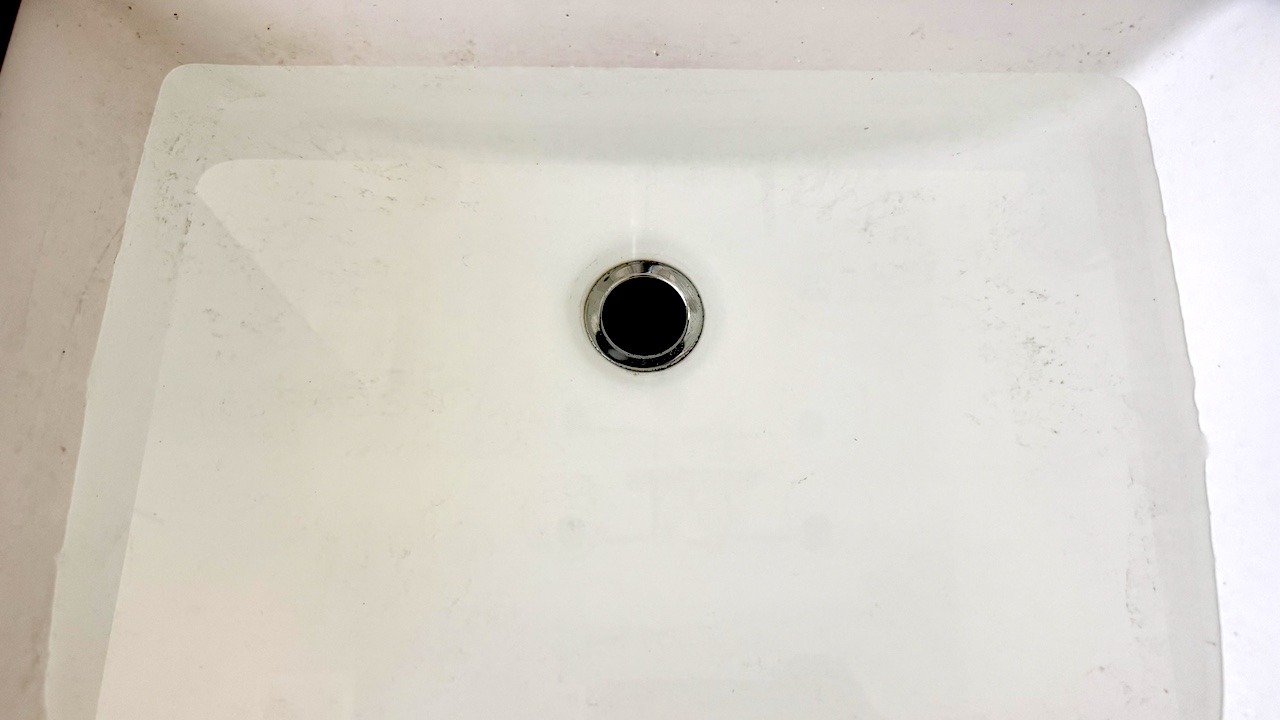
The picture above is a bit odd, but it perfectly illustrates something that matters to mold and mildew growth in your home.
It's a sink filled with condensation pulled from a home's indoor air in less than 4 hours.
A visual representation of the invisible airborne water vapor in any home, converted to very tangible actual water—lots of it!
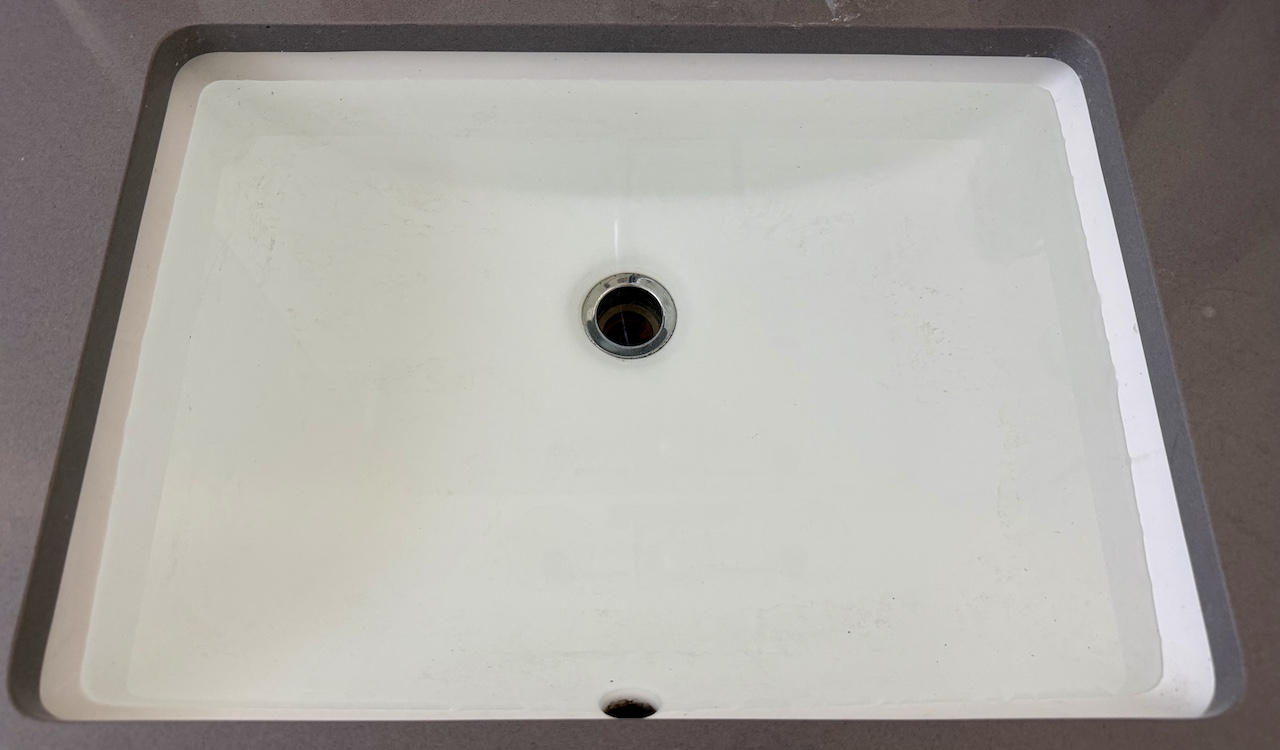
(This specific home's A/C drip line feeds into the sink's internal plumbing, which was clogged, hence the build-up.)
Easily fixed, yes, but the point the picture makes is just how much moisture is:
1. Already in a home's air as vapor, even with no physical water droplets visible, and
2. The amount of moisture that could help spur mold or mildew growth if your A/C were turned off (say, while you're out of town.)
Your A/C’s ‘Most Critical Function’ is Dehumidification First, Cooling Second
This homeowner took a 12-day trip out of town just after their A/C unit froze over due to low refrigerant and poor air flow.
The home's average indoor temperature while they were away was 85 degrees plus, and up to 93 degrees on the second floor.
We don't know exactly what the average humidity or RH (relative humidity) levels were, but the point is simple: your A/C's role as a dehumidifier is its most critical function as far as a building's structure and "health" are concerned.
Hot, moist homes are (or eventually will be) breeding grounds for mold growth or a "mold bloom," where mildew blankets parts of walls and furniture.
This moisture, naturally present in all air, is enough fuel to feed mildew or mold if not properly managed.
Your A/C does that, if it's on and working.
How Much Water A/Cs Pull From the Air
In a typical family home of roughly 1,500–2,500 square feet, running a standard central A/C system in a humid climate like Clearwater's will remove anywhere from 5 to 20 gallons of water per day. That can vary for a number of reasons, yet as far as mold and mildew growth, it's problematic at all of these levels, whether just 5 or 20+ gallons.
Variables that affect it:
- Outdoor humidity levels — Clearwater sees 70–90% humidity (RH), especially in summer.
- Size of home and its insulation type.
- Size of A/C unit (tonnage) and its efficiency.
- Thermostat settings and A/C runtime.
- Number of occupants, including both people and pets.
- Activity that adds moisture, including cooking, showers, and baths.
During Florida's peak summer months of June through September, a well-sized A/C system working overtime can easily condense 10+ gallons of water a day. Over a summer month, your home's A/C system might remove 150–300+ gallons of water from the indoor air.
Why This Matters for Mold
Aside from keeping your home cool, your A/C is fighting humidity. If it loses that battle, even briefly — 24 to 48 hours — mold could become a problem. Mold can start colonizing within 24 to 48 hours of an A/C system failure or freeze-over.
Mold spores are naturally present in virtually all indoor and outdoor air. What determines whether they turn into a mold problem is moisture. Most mold species need a relative humidity above 60% to actively grow, and above 70%, growth can accelerate dramatically. With our climate in Clearwater, outdoor humidity is almost always in that "mold-friendly" range — and your A/C indoors is what keeps it down in the 40–55% range, where mold struggles.
A properly sized and well-running A/C prevents mold in three ways:
- Removing moisture from the air.
- Keeping surface temperatures higher relative to the dew point, reducing condensation on walls and windows.
- Circulating air, preventing stagnant and humid pockets where mold tends to start.
What To Do & How to Avoid or Prevent
Here's what homeowners can do to prevent this:
- Never fully turn off your A/C when leaving for vacation. Instead, set it to a higher temperature (around 78–80°F) to keep it running in dehumidification mode while saving energy.
- Consider a standalone dehumidifier as a backup, especially for vacation homes.
- Install a smart thermostat with remote monitoring so you can catch A/C failures early, even when you're not home.
- Have your A/C system serviced or checked regularly.
- If you return home to a musty smell, visible moisture, or an A/C that's been down for more than a day or two, it's worth considering a professional mold inspection, even if you don't see visible growth yet.
When to Actually Call a Mold Professional
If your A/C was down and you're now noticing musty smells, visible discoloration, or "heavy" humidity indoors, it's worth having your home inspected. But mold inspections can be costly, so it's reasonable to weigh whether mold is truly a problem before deciding on that.
Some of the factors that can help you decide:
- If you actually see mold or mildew growth.
- If you or your family start experiencing allergy-like reactions, respiratory issues, sneezing, coughing, red eyes, or other symptoms.
- If your home's air starts smelling "off" (damp, stagnant, earthy).
We also offer a Free Environmental Consultation service, which isn't a mold inspection, but is an opportunity for us to help you better determine whether you have a mold issue worth addressing.